
This method follows the matching principle and is therefore accepted under GAAP. The direct method recognizes bad debt only when it is identified as uncollectible. The allowance method, on the other hand, estimates bad debt expense at the end of each accounting period and uses allowance for doubtful accounts to write it off. The allowance method follows the matching principle, but the direct method does not. When using the percentage of receivables method, it is usually helpful to use T-accounts to calculate the amount of bad debt that must be recorded Interior Design Bookkeeping in order to update the balance in Allowance for Doubtful Accounts.
- Instead, you wait until you know for sure that someone isn’t going to pay.
- This delay can affect the accuracy of financial reporting and may lead to misleading information for stakeholders.
- Accounts receivable can be negative if more credit is issued to clients than actual revenue collected.
- While the allowance method improves accounting accuracy, it does not align with IRS tax rules for bad debt deductions.
- The IRS allows businesses to write off various expenses that reduce taxable profits.
- Allowance for Doubtful Accounts is a contra-asset linked to Accounts Receivable.
Advantages of the Direct Write-Off Method
- With the allowance method, since you have already planned for a portion of your Accounts Receivables to turn into bad debt, you have a more realistic view of how your business is doing.
- It can be challenging to match sales and expenses, and assets and net income can be inflated, when revenue and expenses are reported in various periods.
- It is an invoice that is uncollectible since the customer is unable to pay or not willing to pay back the amount for some reason and all attempts of recovery have been made by the company.
- One of the primary advantages of the Direct Write-Off Method is its simplicity.
- As a one-time occurrence, you can deal with managing the inaccuracy of your financial statements, and it is faster and easier to do.
- This scenario highlights the importance of tracking bad debts closely and following up on payments.
Apparently the Internal Revenue Service does not want a company reducing its taxable income by normal balance anticipating an estimated amount of bad debts expense (which is what happens when using the allowance method). Under the direct write off method there is no contra asset account such as Allowance for Doubtful Accounts. This means that the balance sheet is reporting the full amount of accounts receivable and therefore implying that the full amount will be converted to cash. The AOI represents the estimated amount of inventory that has been written off, but has not yet been physically removed from the inventory records.
- The direct write-off method of accounting for bad debt isn’t accepted under the GAAP guidelines as it does not follow the matching principle.
- Tax credits apply to taxes owed, lowering the overall tax bill directly.
- In contrast, the direct write-off method remains accessible to businesses that prefer to address problems only when they actually occur.
- Using those percentages, the company can estimate the amount of bad debt that will occur.
- When utilizing this accounting method, a company will hold off on classifying a transaction as a bad debt until a debt is determined to be uncollectible.
Direct Write Off Method
This is the simplest way to recognize a bad debt, since the entry is only made when a specific customer invoice has been identified as a bad debt. In a world where cash flow is king, mastering bad debt accounting and credit management is not merely a financial task but a strategic imperative. Businesses that approach this area with diligence, transparency, and a proactive mindset position themselves for sustainable success. Armed with the insights and best practices from this series, you can confidently navigate the challenges of credit risk and build a healthier, more robust financial future. Later, when a specific debt is determined to be uncollectible, the business writes off that amount by debiting Allowance for Doubtful Accounts and crediting Accounts Receivable. This does not affect the income statement at the time of write-off because the expense was already recognized during the estimation.
Management
This method is also referred to as the “perpetual inventory system” due to its continuous recording of inventory transactions and adjustments. In this section, we will explore how the allowance method works, its advantages, disadvantages, and journal entries. The inventory account is reduced by the value of the write-off to reflect the removal of the obsolete units from the balance sheet. Simultaneously, the cost of goods sold account is increased to recognize the loss that results from the disposal of these unsellable items.
- Because customers do not always keep their promises to pay, companies must provide for these uncollectible accounts in their records.
- In contrast, the direct write-off method does not require any estimation as bad debts are only recognized when they are confirmed.
- Additionally, the allowance method may result in a delay in recognizing bad debts since the estimation process is not immediate.
- With JK Accounting, you eliminate the need to hire, train, and manage a full-time accountant, freeing up valuable time and resources for your business.
- If you don’t need to follow GAAP, this method can save time and reduce effort in accounting.
According to the GAAP standards, expenses and revenues need to be recorded in the same accounting period. However, with the direct write-off method, the bad debt expense is not matched with the revenue it helps generate. Due to this, public companies that need to adhere to GAAP accounting standards cannot use the direct write-off method to account for uncollected invoices.
The sale occurred December 1st 2015 and has payment due in 60days, so at year end December 31st 2015 the account is not yet due. The calculation here is a few more steps but uses the same direct write-off method methodology used in all the other methods. Once you know how much from each time period, add them to get the total allowance balance. Allowance for Doubtful Accounts is where we store the nameless, faceless uncollectible amount.

The most important thing to remember when working with the allowance methods for bad debt is to know what you have calculated! Once you figure a dollar amount, ask yourself if that amount is the bad debt expense or the allowance. If it is the allowance, you must then figure out how much bad debt to record in order to get to that balance. We used Accounts Receivable in the calculation, which means that the answer would appear on the same statement as Accounts Receivable. Therefore, we have to consider which of our accounts would appear on the balance sheet with Accounts Receivable. Allowance for Doubtful Accounts is a contra-asset account so that is what we calculated.
GAAP requires these larger companies to follow the Matching Principle–matching expenses (or potential expenses) to the same accounting period where the revenue is earned. The Direct Write-off Method only captures an expense when a company determines a debt to be uncollectible. As a result, although the IRS allows businesses to use the direct write off method for tax purposes, GAAP requires the allowance method for financial statements. The business is left out of pocket with “bad debt” to balance in the books. The direct write off method offers a way to deal with this for accounting purposes, but it comes with some pros and cons. Sales on credit means that the revenue has been earned and recognized in the financial statements in the accounting period, but the payment for it will be received later as per the agreement.

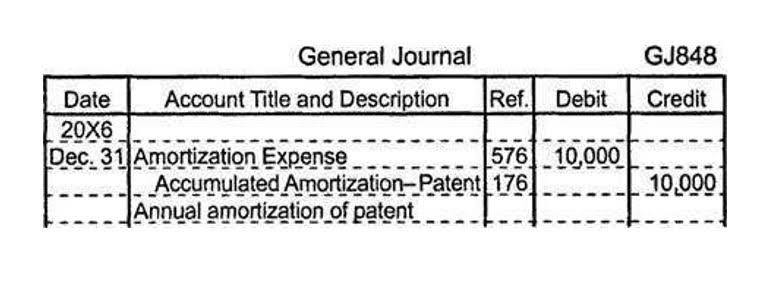
GAAP requires that expenses be matched with the revenues they help generate within the same accounting period. The Direct Write-Off Method, by recognizing bad debts only when they are identified as uncollectible, fails to match expenses with the related revenues. As a result, financial statements prepared using this method may not provide a fair and accurate representation of a company’s financial health. Preventing bad debts before they arise is crucial for maintaining healthy cash flow and financial stability.
